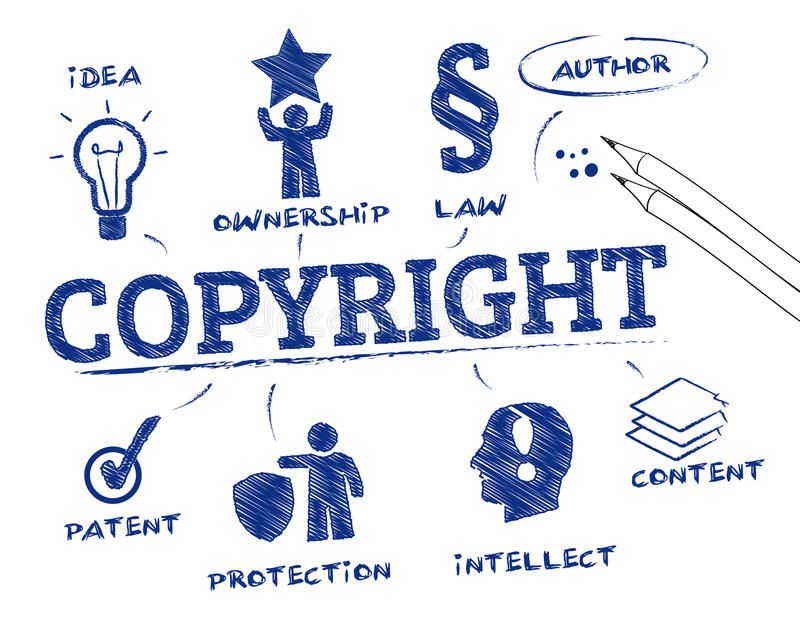
Copyright is an important form of intellectual property protection that gives creators legal rights over their original creative works. In today’s digital environment, where photographs, videos, articles, music, software, designs, educational materials, and other content can be copied and shared within seconds, understanding copyright has become increasingly important for individuals and businesses.
Copyright law aims to protect the original expression of an idea and provides creators with certain exclusive rights over how their work is used. It encourages creativity by giving authors and creators control over the commercial and non-commercial use of their original works.
## What Is Copyright?
Copyright is a legal protection granted to the creators of original literary, artistic, musical, dramatic, and certain other intellectual works. It generally arises when an original work is created and expressed in a tangible form, subject to the applicable law.
Copyright can apply to many different types of creative works, including books, articles, photographs, paintings, films, songs, sound recordings, computer programs, website content, graphic designs, architectural works, and other original creations.
The purpose of copyright is not to protect every idea or concept but to protect the original expression of that idea. For example, a general idea for a story may not itself be protected, but the original written story expressing that idea may receive copyright protection.
## Types of Works Protected by Copyright
Copyright can cover a wide variety of creative works. Literary works may include books, articles, reports, manuals, and computer software. Artistic works may include photographs, illustrations, paintings, drawings, graphics, and certain designs.
Musical works, sound recordings, films, videos, and other audiovisual creations may also receive copyright protection. In the digital era, websites, online courses, digital artwork, blogs, marketing content, and software have become important areas where copyright considerations arise.
Creators should understand the nature of their work and the rights associated with it so that they can take appropriate steps to protect and commercially exploit their creations.
## Copyright Ownership
Copyright ownership generally belongs to the creator of an original work, although ownership can depend on the circumstances in which the work was created and the agreement between the parties.
Employment contracts, freelance agreements, commissioned projects, publishing arrangements, and licensing contracts can affect copyright ownership. Businesses working with designers, photographers, writers, developers, or other creative professionals should clearly define ownership and usage rights in written agreements.
Clear contractual terms can help prevent disputes regarding who owns the copyright and who has permission to use, reproduce, modify, distribute, or commercially exploit a particular work.
## Exclusive Rights of Copyright Owners
Copyright provides owners with various exclusive rights, subject to applicable legal limitations and exceptions. These rights may include the right to reproduce the work, communicate or distribute it, make adaptations, and authorise others to use it.
For certain works, copyright owners may also have rights relating to public performance, cinematographic presentation, translation, adaptation, or other forms of exploitation.
Because copyright rights can have significant commercial value, creators and businesses should understand how these rights can be licensed or transferred.
## Copyright Registration
In many legal systems, copyright protection can arise without mandatory registration when an original work is created. However, registration or recordation mechanisms may provide useful evidence concerning ownership and the existence of a work, depending on the applicable jurisdiction.
Creators and businesses should maintain records of original files, drafts, creation dates, contracts, invoices, and correspondence relating to the creation and ownership of important works.
Proper documentation can become particularly useful when ownership or infringement is disputed.
## Copyright Infringement
Copyright infringement generally occurs when someone uses a protected work in a manner that violates the copyright owner’s exclusive rights without appropriate permission or a valid legal exception.
Examples may include copying an article and publishing it elsewhere, using a photograph commercially without permission, reproducing artwork without authorisation, distributing copyrighted software unlawfully, or uploading protected videos without the necessary rights.
Online platforms have made copyright infringement easier to commit, making monitoring and enforcement increasingly important for creators and businesses.
## Copyright on Websites and Social Media
Website owners should be particularly careful when using content obtained from the internet. The fact that an image, article, video, or graphic is publicly available online does not automatically mean that it is free to copy or commercially use.
Businesses should use original content, properly licensed material, or content available under terms that permit the intended use.
Similarly, social media users and businesses should consider copyright ownership before reposting photographs, videos, music, graphics, or written content created by others.
## Copyright Licensing
Copyright owners can grant permission to other individuals or businesses through licences. A licence may allow another party to use a work under specific conditions.
Licensing agreements can specify the duration, geographic territory, permitted purpose, platform, number of users, exclusivity, payment, modification rights, and other conditions.
A carefully drafted copyright licence can protect both the creator and the licensee by clearly establishing what is and is not permitted.
## Copyright Assignment
Copyright may also be assigned or transferred to another party where permitted by law. An assignment is different from a licence because it may involve transferring ownership of specified rights rather than simply granting permission to use the work.
Businesses involved in creative projects should carefully review assignment agreements before signing them. Important terms may include the scope of rights being transferred, consideration, duration, territory, and obligations of the parties.
## Fair Dealing and Legal Exceptions
Copyright protection is subject to certain statutory limitations and exceptions. Depending on the jurisdiction and circumstances, certain uses may be permitted without obtaining direct permission from the copyright owner.
These exceptions can apply to areas such as research, private study, criticism, review, reporting current events, education, or other legally recognised purposes.
However, the availability of an exception depends on the specific facts and applicable law. Simply describing a use as educational, personal, or informational does not automatically make it lawful.
## Copyright Disputes and Legal Remedies
When copyright infringement occurs, the copyright owner may have various legal remedies available under applicable law. Depending on the circumstances, these may include injunctions, damages, accounts of profits, delivery or destruction of infringing copies, and other forms of relief.
A copyright owner may also send a legal notice requesting that the infringing activity stop and that the unauthorised material be removed.
For online infringement, platform reporting mechanisms and takedown procedures may also be relevant, depending on the platform and circumstances.
## Importance of Copyright Protection for Businesses
Copyright is particularly valuable for businesses whose operations depend heavily on creative and digital assets. Marketing agencies, publishers, software companies, media organisations, photographers, designers, educational platforms, and content creators may own significant copyright portfolios.
Businesses should identify important copyrighted assets, maintain ownership records, use appropriate agreements, and establish internal policies regarding third-party content.
Strong copyright management can reduce legal risks and help businesses maximise the commercial value of their intellectual property.
## How Creators Can Protect Their Work
Creators can take several practical steps to protect their original work. They should maintain original files and creation records, use written agreements when working with clients or collaborators, clearly define ownership, and consider appropriate registration or recordation options where available.
Copyright notices can also communicate ownership, although the legal effect of a notice varies by jurisdiction.
Creators should also monitor the internet and relevant platforms for unauthorised use of their work. When infringement is discovered, documenting the infringement before contacting the other party can be useful for potential enforcement.
## Conclusion
Copyright protection plays a vital role in encouraging creativity and protecting the economic and legal interests of creators. From written content and photographs to music, films, software, artwork, and digital media, copyright can cover a wide range of original works.
Understanding copyright ownership, licensing, infringement, exceptions, and enforcement can help creators and businesses make informed decisions about their intellectual property. As digital content continues to grow, effective copyright management has become an essential part of protecting creative and commercial assets.