

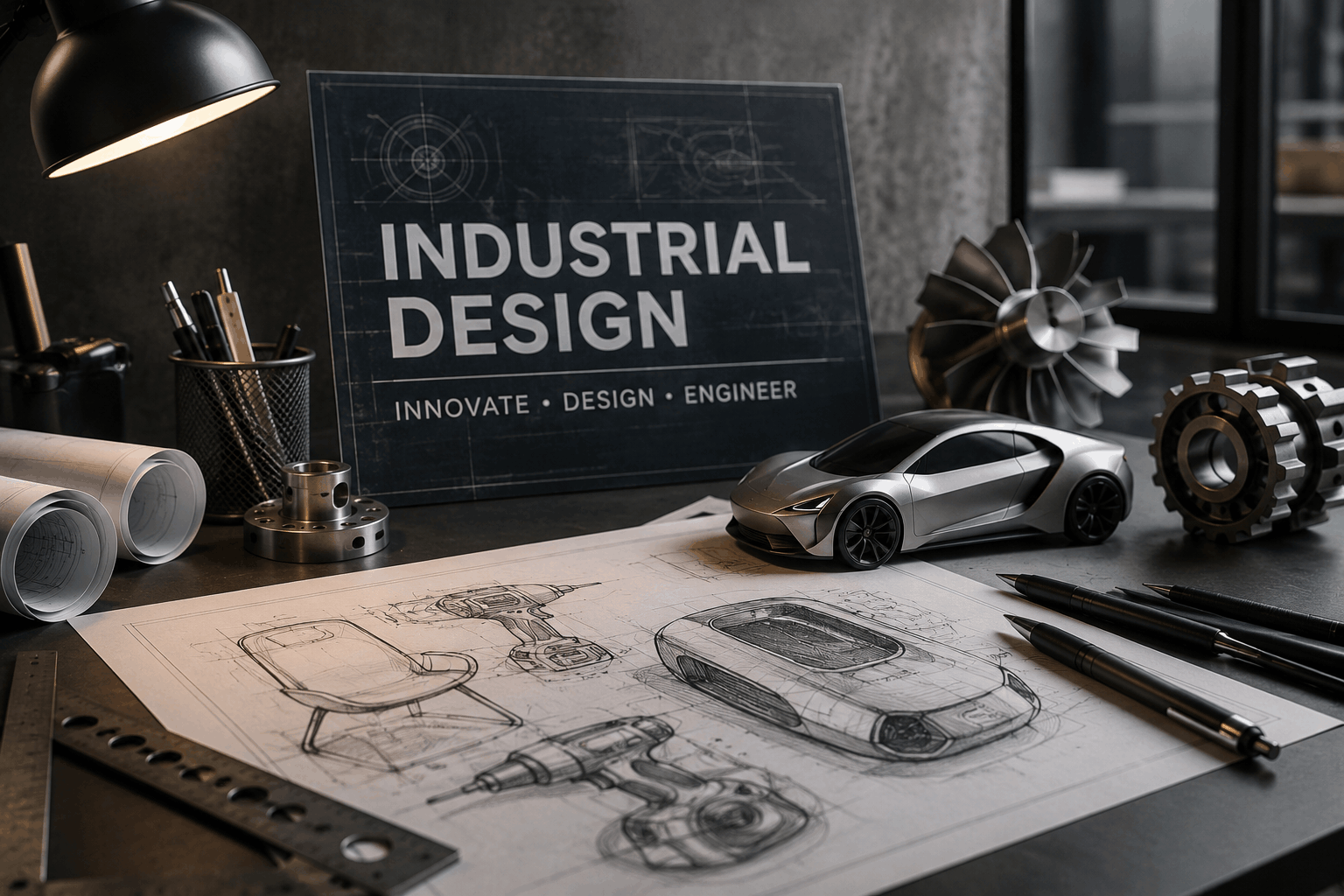
Industrial design plays a significant role in today’s competitive business environment by protecting the visual appearance of products. A product’s design often influences purchasing decisions, making it a valuable intellectual property (IP) asset for businesses, manufacturers, startups, and designers. Whether it is the shape of a smartphone, the design of furniture, packaging, home appliances, fashion accessories, or consumer electronics, a unique industrial design helps products stand out in the marketplace.
In India, industrial designs can be protected through registration under the applicable legal framework. Registering an industrial design provides exclusive rights over the product’s visual features, helping businesses prevent unauthorized copying or imitation. It also enhances brand value, strengthens market position, and supports commercial growth.
Understanding industrial design, its registration process, legal rights, and commercial benefits is essential for innovators and businesses looking to protect their product designs.
## What Is an Industrial Design?
An industrial design refers to the ornamental or aesthetic aspects of a product. It relates to the visual appearance of an article rather than its technical or functional features. Industrial design protection may cover elements such as:
* Shape
* Configuration
* Pattern
* Ornamentation
* Surface decoration
* Lines
* Colors
* Combination of visual features
The purpose of industrial design protection is to safeguard the unique appearance of products, enabling creators to benefit from their original designs while discouraging unauthorized imitation.
## Importance of Industrial Design Protection
A well-designed product often creates a strong first impression and influences consumer preferences. Registering an industrial design offers several advantages, including:
* Exclusive rights over the registered design.
* Protection against unauthorized copying.
* Enhanced brand identity.
* Increased commercial value.
* Competitive advantage in the marketplace.
* Licensing and commercialization opportunities.
* Support for innovation and creativity.
* Improved investor confidence.
* Stronger intellectual property portfolio.
Protecting industrial designs encourages businesses to invest in product innovation and design excellence.
## Products That Can Be Protected
Industrial design protection may apply to a wide range of products across different industries, including:
* Consumer electronics
* Mobile phones
* Furniture
* Kitchen appliances
* Home décor products
* Packaging
* Medical devices
* Lighting fixtures
* Toys
* Footwear
* Fashion accessories
* Watches
* Jewellery
* Office equipment
* Automotive components
* Household products
* Industrial machinery
* Bottles and containers
The design must generally be new, original, and capable of being applied to an article.
## Features Eligible for Protection
Industrial design registration primarily protects the visual appearance of a product rather than its functional or mechanical aspects.
Protectable features may include:
* Unique shape
* Decorative patterns
* Surface ornamentation
* Product configuration
* Aesthetic appearance
* External design elements
* Decorative color combinations, where applicable
Technical inventions or functional mechanisms are generally protected through other forms of intellectual property, such as patents, where the legal requirements are met.
## Industrial Design Registration Process
The registration process generally involves several important steps.
### 1. Design Evaluation
The applicant first determines whether the product design satisfies the applicable legal requirements for protection, including originality and novelty.
### 2. Preparation of Application
The application typically includes:
* Applicant details
* Representations or drawings of the design
* Product classification
* Description of the design
* Required declarations and supporting information
### 3. Filing the Application
The application is submitted before the appropriate authority according to the prescribed procedure.
### 4. Examination
The design is examined to verify compliance with legal requirements. Objections, if any, may need to be addressed.
### 5. Registration
If the application satisfies the applicable requirements, the design is registered and entered into the official register, granting the owner exclusive rights subject to the applicable law.
The specific process and timelines may vary depending on the circumstances of each application.
## Rights of a Registered Design Owner
The owner of a registered industrial design generally enjoys several legal rights, including the ability to:
* Prevent unauthorized copying of the registered design.
* License the design to third parties.
* Assign ownership rights.
* Commercialize the protected design.
* Take legal action against infringement.
* Strengthen product branding and market recognition.
These rights help businesses protect their investments in product development and design.
## Benefits of Industrial Design Registration
Registering an industrial design offers numerous commercial and legal advantages.
### Legal Protection
Registration establishes legal recognition of the owner’s rights over the design and can support enforcement in the event of unauthorized use.
### Business Growth
Unique product designs often increase consumer appeal, helping businesses differentiate themselves in competitive markets.
### Increased Market Value
Protected designs can enhance brand reputation and contribute to the overall value of a business.
### Licensing Opportunities
Registered designs may be licensed to manufacturers, distributors, or business partners, creating additional revenue opportunities.
### Investor Confidence
A strong intellectual property portfolio can increase confidence among investors, partners, and stakeholders.
## Industrial Design vs Patent
Although both industrial designs and patents protect intellectual property, they serve different purposes.
An industrial design protects the visual appearance or aesthetic features of a product, while a patent protects new and inventive technical solutions, processes, or functional inventions. Businesses often use both forms of protection where a product includes both innovative technology and a distinctive appearance.
## Common Mistakes to Avoid
Businesses should avoid several common mistakes when seeking industrial design protection, such as:
* Publicly disclosing the design before filing, where it may affect eligibility.
* Delaying the registration process.
* Using incomplete or inaccurate drawings.
* Failing to maintain proper ownership documentation.
* Assuming that design registration protects functional inventions.
* Ignoring potential infringement by competitors.
Seeking professional guidance early can help avoid these issues.
## Importance of Professional Legal Assistance
Industrial design law involves technical documentation, legal compliance, and intellectual property strategy. An experienced intellectual property professional can assist by:
* Evaluating eligibility for design protection.
* Preparing accurate applications.
* Advising on intellectual property strategy.
* Responding to examination objections.
* Drafting licensing and assignment agreements.
* Handling infringement disputes.
* Protecting commercial interests.
Professional advice can help businesses maximize the value of their design assets.
## Conclusion
Industrial design protection is an essential part of intellectual property management for businesses that invest in innovative product appearance and aesthetics. A distinctive design not only attracts customers but also creates long-term commercial value and strengthens market competitiveness.
By securing industrial design registration, maintaining proper documentation, and seeking professional legal guidance when needed, businesses and designers can protect their creative work, enhance brand recognition, and confidently commercialize their products. In today’s innovation-driven economy, safeguarding product design is an important step toward sustainable business growth and long-term success.
industrial design, industrial design registration, industrial design in India, design registration, industrial design law, product design protection, intellectual property, IPR, industrial design rights, design protection, product design registration, industrial designer, design lawyer, IP lawyer, industrial design application, industrial design certificate, product innovation, manufacturing design, industrial property, Indian design registration, design registration process, industrial design services, product aesthetics, business intellectual property