
A trademark is one of the most valuable assets for any business. It distinguishes your products or services from competitors and helps customers identify your brand in the marketplace. Whether you are a startup, entrepreneur, small business, or established company, registering a trademark provides legal protection for your brand name, logo, slogan, symbol, or other distinctive elements.
In today’s competitive business environment, building a unique brand is essential. Trademark registration safeguards your business identity, prevents unauthorized use, and strengthens customer trust. It also adds value to your business and creates long-term intellectual property rights.
## What is a Trademark?
A trademark is a unique sign or identifier that distinguishes the goods or services of one business from those of others. It may consist of:
* Brand names
* Business names
* Company logos
* Taglines or slogans
* Symbols
* Words
* Letters
* Numbers
* Shapes
* Packaging designs
* Sounds (in certain cases)
* Color combinations (where applicable)
A registered trademark gives the owner exclusive legal rights to use the mark in connection with the registered goods or services.
## Importance of Trademark Registration
Trademark registration offers several legal and commercial advantages.
Benefits include:
* Exclusive ownership rights
* Legal protection against infringement
* Enhanced brand recognition
* Increased customer confidence
* Nationwide protection
* Valuable business asset
* Licensing and franchising opportunities
* Stronger market reputation
* Easier enforcement of intellectual property rights
* Improved business valuation
A registered trademark helps protect the goodwill and reputation built over years of business operations.
## Who Should Register a Trademark?
Trademark registration is suitable for:
* Startups
* Entrepreneurs
* Private Limited Companies
* LLPs
* Partnership Firms
* Sole Proprietorships
* Manufacturers
* Retail Businesses
* Service Providers
* E-commerce Businesses
* NGOs
* Educational Institutions
* Healthcare Organizations
* Technology Companies
Any individual or business using a unique brand identity should consider trademark registration.
## Types of Trademarks
Different forms of trademarks can be registered depending on business requirements.
### Word Mark
Protects the textual representation of a brand name or business name regardless of font or style.
### Logo Mark
Protects the graphical design or logo representing a business.
### Device Mark
Protects a combination of text, graphics, symbols, or artistic elements.
### Service Mark
Used to distinguish services instead of physical goods.
### Collective Mark
Used by members of an association or organization to indicate common standards.
### Certification Mark
Indicates that products or services meet specified quality or certification standards.
## Trademark Registration Process
The registration process generally involves several stages.
### Trademark Search
A comprehensive trademark search helps determine whether a similar or identical mark already exists.
Conducting a search reduces the possibility of objections and future disputes.
### Filing the Application
After confirming availability, an application is filed with the appropriate authority by providing details such as:
* Applicant information
* Trademark representation
* Goods or services classification
* Supporting documents
Accuracy at this stage is essential for smooth processing.
### Examination
The Trademark Registry examines the application to verify compliance with legal requirements.
The examiner may:
* Accept the application
* Raise objections
* Request clarifications
* Seek additional documentation
Professional responses to examination reports improve the chances of successful registration.
### Publication
Once accepted, the trademark is published in the Trademark Journal to allow public opposition within the prescribed period.
If no valid opposition is received, the registration process moves forward.
### Registration
After successful completion of all formalities, the trademark is registered and the owner receives a Registration Certificate.
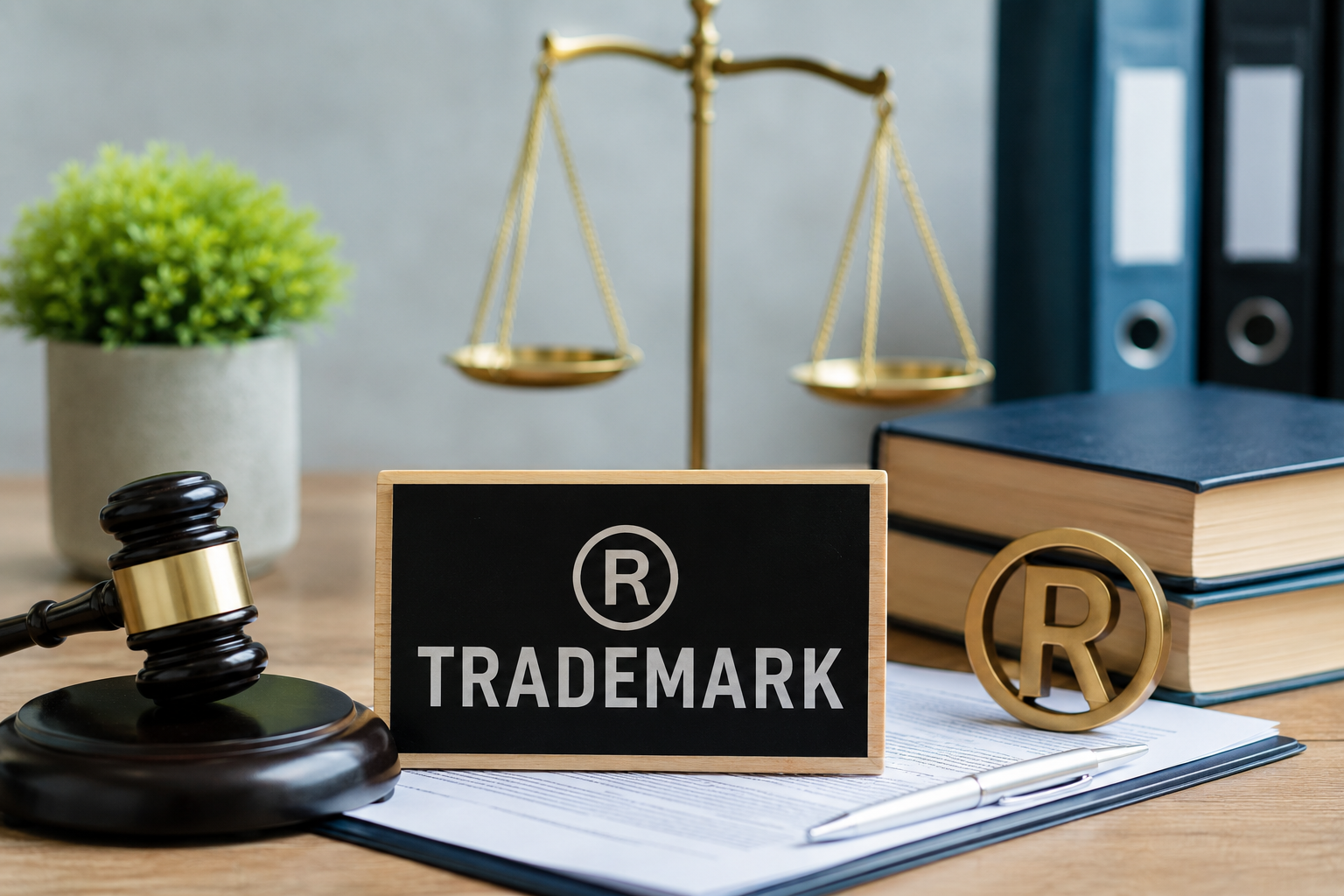
The registered owner can legally use the ® symbol with the trademark.
## Trademark Classes
Trademarks are registered under different classes depending on the nature of goods or services.
These classes cover industries such as:
* Clothing
* Food products
* Pharmaceuticals
* Cosmetics
* Construction
* Software
* Legal services
* Education
* Hospitality
* Financial services
* Healthcare
* Manufacturing
Selecting the correct class is essential for obtaining proper protection.
## Documents Required
The documents generally required include:
* Applicant identity proof
* Address proof
* Business registration documents (if applicable)
* Logo (if registering a logo)
* Power of Attorney (where required)
* User affidavit (if claiming prior use)
Professional guidance helps ensure accurate documentation.
## Trademark Infringement
Trademark infringement occurs when another party uses an identical or deceptively similar mark without authorization, causing confusion among consumers.
Examples include:
* Copying a brand name
* Using a similar logo
* Imitating packaging
* Misusing a registered trademark
* Creating misleading brand identity
Trademark owners have the legal right to initiate action against infringers.
## Remedies Available
Trademark owners may seek legal remedies including:
* Permanent injunction
* Temporary injunction
* Damages
* Account of profits
* Delivery and destruction of infringing goods
* Seizure of counterfeit products
* Legal costs
Timely legal action helps protect brand reputation and commercial interests.
## Trademark Renewal
Trademark registration is valid for a specified period and can be renewed periodically to maintain continuous protection.
Timely renewal prevents loss of valuable intellectual property rights.
## Why Hire a Trademark Professional?
Trademark registration involves legal procedures that require careful attention to detail.
Professional assistance helps with:
* Trademark search
* Proper classification
* Application drafting
* Examination replies
* Opposition handling
* Registration process
* Renewal services
* Infringement litigation
* Brand protection strategy
Experienced trademark professionals reduce the risk of objections and improve registration success.
## Common Mistakes to Avoid
Many applicants face delays due to avoidable mistakes such as:
* Selecting a generic brand name
* Filing under the wrong class
* Conducting an incomplete trademark search
* Submitting incorrect documentation
* Ignoring examination reports
* Missing renewal deadlines
Careful planning ensures a smoother registration process.
## Conclusion
A trademark is far more than a logo or business name—it is the identity of your brand and a valuable business asset. Registering a trademark provides exclusive legal rights, strengthens customer trust, enhances market recognition, and protects your business against unauthorized use. Whether you are launching a new venture or expanding an established enterprise, securing trademark registration is a smart investment in your brand’s future.
Professional legal guidance throughout the trademark registration process ensures compliance, minimizes delays, and helps safeguard your intellectual property rights for years to come.