
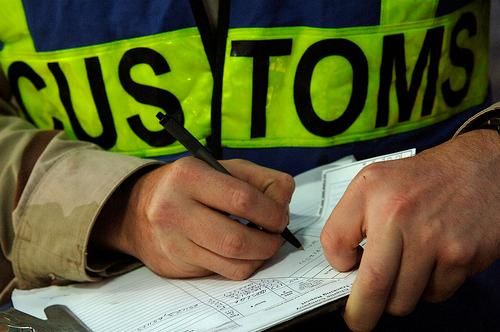
Customs enforcement is an essential part of India’s international trade and border management framework. It involves the implementation of customs laws and procedures to regulate the movement of goods across the country’s borders, prevent smuggling, protect government revenue, and ensure compliance with restrictions imposed on certain goods.
As international trade continues to grow, effective customs enforcement has become increasingly important for maintaining lawful and transparent trade. Importers, exporters, logistics companies, customs brokers, and other businesses involved in cross-border transactions need to understand their compliance responsibilities and the potential consequences of customs violations.
## What Is Customs Enforcement?
Customs enforcement refers to the activities carried out by customs authorities to ensure that goods entering or leaving India comply with applicable laws and regulations. These activities can include examination of goods, verification of documents, assessment of customs duty, investigation of suspected violations, seizure of goods, confiscation proceedings, and penalties where applicable.
Customs enforcement is not limited to revenue collection. It also supports the enforcement of restrictions concerning prohibited and restricted goods, intellectual property, public safety, environmental requirements, and other regulatory interests.
## Importance of Customs Enforcement
Effective customs enforcement helps create a fair and regulated international trading environment. Businesses that comply with customs requirements should not be placed at an unfair disadvantage by traders attempting to avoid applicable duties or restrictions.
Enforcement mechanisms can help identify attempts involving incorrect declarations, undervaluation, misclassification, prohibited imports, concealed goods, or other forms of non-compliance.
Strong enforcement also helps protect the economic interests of the country while supporting legitimate businesses engaged in international trade.
## Customs Examination and Verification
Customs authorities may examine imported or exported goods to verify information provided in relevant declarations and documents.
The examination process may involve checking the description, quantity, classification, valuation, origin, and other characteristics of the goods. Depending on the circumstances, authorities may conduct physical examination or use available technological systems and risk-based processes.
Importers and exporters should therefore ensure that their commercial documents accurately represent the actual transaction and goods being shipped.
## Detection of Smuggling
One of the major functions of customs enforcement is preventing and detecting smuggling. Smuggling can involve the unauthorised movement of goods across borders to evade customs duties or restrictions.
Customs authorities use intelligence, risk assessment, inspections, investigations, and other enforcement mechanisms to identify suspicious transactions and shipments.
Smuggling can involve a wide range of products and may create significant legal consequences for individuals or businesses involved.
## Customs Intelligence and Risk Management
Modern customs enforcement increasingly relies on risk management and intelligence-based approaches. Instead of examining every shipment in the same manner, customs authorities can use available information to identify transactions that may require additional scrutiny.
Information relating to the importer, exporter, product classification, declared value, country of origin, shipping patterns, and other factors may contribute to risk assessment.
Businesses with accurate records and consistent compliance practices can benefit from smoother customs processes while reducing the risk of avoidable discrepancies.
## Customs Duty Evasion
Avoiding legally applicable customs duties through inaccurate declarations can result in enforcement action. Duty-related issues may arise from undervaluation, incorrect classification, misuse of exemptions, or inaccurate descriptions of goods.
Businesses should maintain proper invoices, contracts, payment records, shipping documents, and other relevant information to support their declarations.
A transparent customs compliance system can help identify potential duty-related issues before they develop into disputes or enforcement proceedings.
## Seizure of Goods
Where customs authorities have legal grounds to suspect a violation, goods may be seized in accordance with applicable law.
Seizure can interrupt business operations and may result in significant financial losses, particularly where goods are time-sensitive or form part of a larger supply chain.
When goods are seized, the affected party should carefully review the relevant documentation and obtain appropriate professional assistance where necessary.
## Confiscation Proceedings
Customs enforcement can also involve confiscation proceedings concerning goods connected with specified violations.
Confiscation is different from an ordinary customs clearance issue because it can affect the legal status and possession of the goods. The affected party may need to respond to allegations and present relevant documents and evidence.
Businesses should take customs notices and adjudication proceedings seriously and respond within the applicable time limits.
## Penalties Under Customs Law
Customs law provides for penalties in specified circumstances. The nature and extent of consequences can depend on the particular violation and the facts of the case.
Issues such as incorrect declarations, improper documentation, prohibited goods, duty evasion, or other forms of non-compliance may result in enforcement proceedings.
Maintaining strong internal controls and conducting regular customs compliance reviews can help businesses identify potential risks at an early stage.
## Prohibited and Restricted Goods
Customs enforcement is also important for controlling goods that cannot legally be imported or exported without meeting specific conditions.
Certain goods may be prohibited altogether, while others may require licences, certificates, approvals, or compliance with specific regulatory standards.
Importers and exporters should conduct appropriate checks before shipping products internationally. Relying solely on assumptions about whether a product is permitted can create unnecessary compliance risks.
## Role of Documentation in Customs Enforcement
Documentation is a critical element of customs compliance. Accurate records allow businesses to demonstrate the nature and legitimacy of international transactions.
Depending on the transaction, relevant records can include commercial invoices, packing lists, bills of lading or airway bills, purchase orders, contracts, certificates of origin, licences, permits, payment records, and product specifications.
Inconsistent information across documents can attract additional scrutiny and may complicate customs proceedings.
## Customs Investigation
When customs authorities identify potential violations, an investigation may be initiated to determine the facts and establish whether applicable laws have been breached.
Investigations can involve examination of transaction records, communications, financial information, shipping documents, product information, and other evidence.
Businesses should preserve relevant records and ensure that responses to customs authorities are accurate and appropriately documented.
## Customs Notices and Adjudication
A customs notice can require an importer, exporter, or another concerned party to explain or respond to alleged violations or proposed actions.
The response should address the specific allegations and provide relevant supporting documents. Depending on the matter, legal submissions, technical explanations, classification evidence, valuation records, or other supporting material may be necessary.
Professional customs lawyers or consultants can assist businesses in preparing appropriate responses and representing their interests during adjudication.
## Customs Appeals
Where a party is dissatisfied with a customs decision, the applicable legal framework may provide avenues for appeal.
Customs appeals can involve questions relating to duty demands, classification, valuation, confiscation, penalties, exemption benefits, or other issues.
An effective appeal generally requires a detailed examination of the original order, relevant facts, applicable legal provisions, supporting evidence, and grounds of challenge.
Timely action is important because customs appeal procedures can have specific statutory requirements and deadlines.
## Importance for Importers and Exporters
Customs enforcement affects businesses of all sizes involved in international trade. Even an established company can face customs issues if documentation is inaccurate or a product is incorrectly classified.
Businesses should establish written customs compliance procedures covering product classification, valuation, documentation, restricted goods, duty calculations, and record keeping.
Periodic internal reviews can help identify errors and improve the overall customs compliance framework.
## Role of Customs Legal Professionals
Customs law can involve technical tariff classifications, complex valuation questions, procedural requirements, and enforcement provisions. Professional legal assistance can therefore be valuable in complicated matters.
A customs legal professional may assist with customs notices, investigations, seizures, confiscation proceedings, penalties, classification disputes, valuation matters, and appeals.
Early professional advice can help businesses understand their legal position and develop an appropriate response to enforcement action.
## Conclusion
Customs enforcement plays a vital role in maintaining lawful international trade and protecting India’s economic and regulatory interests. Through examination, risk management, intelligence, investigation, seizure, confiscation, penalties, and appeals, customs authorities help ensure that cross-border movement of goods takes place within the applicable legal framework.
For importers and exporters, the best approach is proactive compliance. Accurate documentation, correct classification, transparent valuation, proper licences, and awareness of applicable restrictions can significantly reduce customs-related risks.
When a business faces a customs investigation, notice, seizure, confiscation proceeding, duty demand, or penalty, timely professional assistance can help ensure that the matter is addressed carefully and in accordance with the applicable law.