

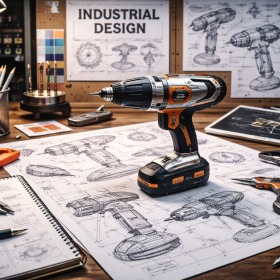
Industrial design plays a pivotal role in shaping products, enhancing market appeal, and driving innovation. In India, industrial design law protects the aesthetic aspects of products, ensuring creators can benefit from their creative work while preventing unauthorized copying.
This article explores industrial design trends, the legal framework for protection, registration procedures, enforcement, and best practices for businesses and innovators.
1. What is Industrial Design?
An industrial design refers to the ornamental or aesthetic aspect of a product, including:
-
Shape, configuration, or composition of patterns
-
Lines, colors, and surface decoration
-
Overall appearance that adds visual appeal and market value
Key Note: Industrial design protection does not cover technical functionality; patents are used for functional inventions.
2. Importance of Industrial Design in Business
Industrial design is crucial for:
-
Product Differentiation: Makes a product visually unique in a competitive market
-
Brand Value: Enhances recognition and consumer loyalty
-
Innovation Incentives: Encourages designers to invest in creative efforts
-
Market Success: Attractive designs can increase sales and commercial viability
Effective industrial design protection ensures return on creative investment and competitive advantage.
3. Legal Framework for Industrial Design in India
Industrial design in India is primarily governed by the Designs Act, 2000 and the Design Rules, 2001.
Key Provisions:
-
Definition: Section 2(d) of the Designs Act defines “design” as the features of shape, configuration, pattern, or ornament applied to a product.
-
Novelty Requirement: The design must be new and original.
-
Registration: Registration provides exclusive rights to the owner for 10 years initially, extendable by 5 years.
-
Infringement: Unauthorized copying or imitation constitutes design infringement, enforceable through civil remedies.
India aligns its industrial design laws with global intellectual property standards to protect creators effectively.
4. Trends in Industrial Design in India
Recent industrial design trends include:
-
Sustainable Design: Eco-friendly materials and energy-efficient products
-
Minimalist Aesthetics: Simple, clean, and functional designs gaining consumer preference
-
Tech-Integrated Products: Smart devices with both aesthetic and functional appeal
-
Customization and Personalization: Products tailored for individual consumer tastes
-
Collaborative Design: Combining traditional craftsmanship with modern industrial techniques
Staying updated with trends ensures market relevance and design competitiveness.
5. Industrial Design Registration Process
Step 1: Search for Existing Designs
-
Conduct a design search to ensure originality
-
Avoid infringement of existing registered designs
Step 2: Filing an Application
-
Submit application to the Controller General of Patents, Designs and Trade Marks (CGPDTM)
-
Include drawings, representations, and product description
Step 3: Examination
-
The office examines novelty, originality, and registration requirements
-
Objections may be raised, requiring a response from the applicant
Step 4: Registration
-
If approved, the design is published in the Designs Journal
-
Registration provides exclusive rights to use, license, or assign the design
Timely registration safeguards market advantage and legal protection.
6. Enforcement of Industrial Design Rights
Rights holders can enforce their designs through:
-
Civil Action: Claim damages and seek injunctions against infringers
-
Criminal Action: In certain cases, intentional copying may lead to penalties or imprisonment
-
Customs Protection: Prevent import of counterfeit products infringing registered designs
-
Licensing and Assignment: Monetize designs legally through contracts and royalties
Enforcement ensures protection against unauthorized use and financial loss.
7. Industrial Design vs. Patent
It’s essential to distinguish between industrial design and patents:
| Feature | Industrial Design | Patent |
|---|---|---|
| Focus | Aesthetic/visual appeal | Functional/technical innovation |
| Protection Duration | 10 years + 5 years extension | 20 years |
| Requirement | Novel and original design | Novelty, non-obvious, and utility |
| Scope | Shape, pattern, color, ornament | Invention or improvement in process |
Correct classification ensures effective IP protection and avoids disputes.
8. Best Practices for Designers and Businesses
-
Conduct prior art searches to ensure design originality
-
Document creation process for proof of authorship
-
File for registration promptly to secure exclusive rights
-
Consider licensing or collaborations to monetize designs
-
Monitor the market for infringements and unauthorized copies
Following best practices maximizes legal protection, market advantage, and revenue potential.
9. Role of Lawyers in Industrial Design Protection
Professional legal assistance is essential for:
-
Drafting and filing design registration applications
-
Responding to objections or opposition proceedings
-
Enforcing design rights through civil or criminal actions
-
Drafting licensing, assignment, and collaboration agreements
-
Advising on IP strategy, commercialization, and risk management
Expert legal guidance strengthens IP enforcement and protects business interests.
10. Conclusion
Industrial design in India is a key driver of innovation, commercial success, and brand differentiation. Understanding trends, registration procedures, enforcement, and best practices is essential for designers, startups, and established businesses.
By combining creative innovation with legal protection, organizations and individual designers can maximize market value, prevent infringement, and encourage continued innovation.
Awareness of industrial design laws empowers innovators to secure their creations, protect their investment, and stay competitive in a rapidly evolving market.