

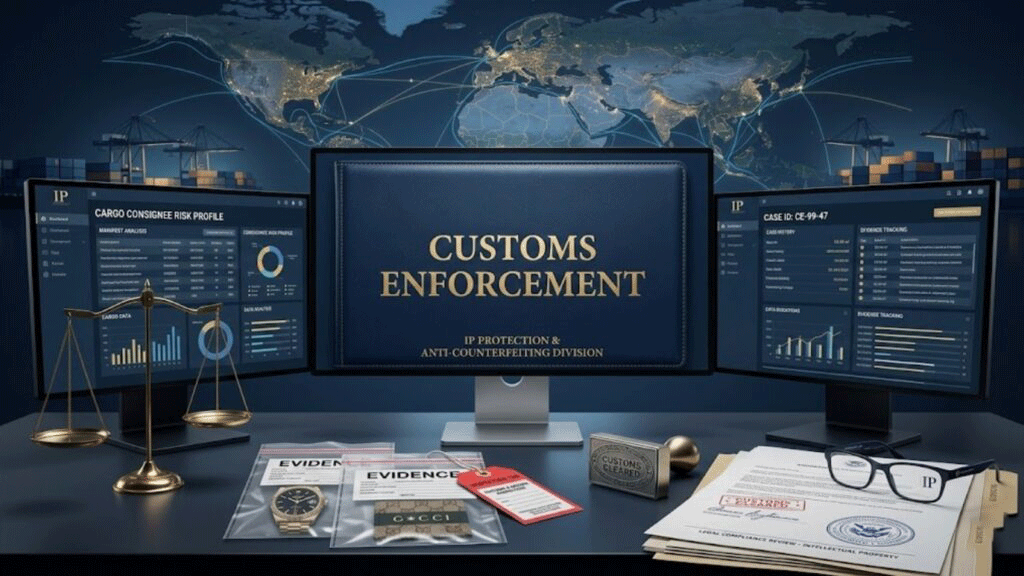
Customs recordal is a mechanism that allows intellectual property owners to protect their
trademarks, copyrights, or designs from counterfeit or pirated goods entering India.
Rights holders can record their registered intellectual property with Indian Customs under the
Intellectual Property Rights (Imported Goods) Enforcement Rules, 2007.
Once recorded, Customs authorities can monitor imports and take action against suspected infringing goods at
Indian ports. This helps prevent counterfeit or unauthorized products from entering the market.
The following registered intellectual property rights may be recorded with Customs:
Recording these rights enables Customs authorities to identify and intercept infringing goods during
import.
Customs recordal provides an effective preventive mechanism against the import of counterfeit or infringing goods. It helps businesses:
This system is particularly useful for businesses dealing with branded consumer goods, electronics, fashion products, and creative works.
Once intellectual property rights are recorded, Customs authorities may:
If infringement is confirmed, the goods may be seized, confiscated, or destroyed in accordance with the law.
When Customs suspects that imported goods may infringe recorded intellectual property rights, the authorities may temporarily detain the shipment. The rights holder is then notified and may inspect the goods to determine whether infringement has occurred. If confirmed, appropriate enforcement action may be taken against the goods and the importer.
Customs recordal of intellectual property rights is generally valid for five years from the date of registration or until the expiry of the intellectual property right, whichever is earlier. The recordal may be renewed if the intellectual property right continues to remain valid.
To record intellectual property rights with Customs, the rights holder generally needs to submit:
Providing clear product information helps Customs officials identify counterfeit goods more effectively.
While customs recordal cannot eliminate counterfeiting entirely, it is a strong preventive enforcement tool. By enabling Customs authorities to detect and intercept infringing goods at the border, businesses can significantly reduce the circulation of counterfeit products in the market and protect their intellectual property rights more effectively.
We provide reliable legal assistance to individuals startups and businesses. Our team helps protect your rights and resolve legal matters with clear guidance and effective solutions.